Green Insights to Electronics Recycling
How to Select the Best E-Waste Recycling Service for Your Company
Choosing the best e-waste disposal solution is essential for companies looking to manage their electronic waste responsibly. Numerous factors come into play, including certifications and data security measures. The decision can significantly affect both legal conformity and eco-friendly practices. As organizations consider their alternatives, they must also account for the cost-related consequences. Understanding these factors can guide companies toward arriving at knowledgeable conclusions. Which key factors should be emphasized to ensure optimal results?
Why Ignoring E-Waste Recycling Puts Your Business at Risk
Overlooking e-waste recycling can considerably undermine a organization's reputation and operational efficiency. Businesses that neglect to manage their electronic waste may suffer significant backlash from eco-conscious consumers and stakeholders. This failure not only damages their brand image but can also result in legal consequences if regulations regarding electronic waste management are breached.
Additionally, the improper handling of e-waste may lead to significant financial setbacks. Valuable materials within electronic devices may be wasted, impacting potential revenue streams. Moreover, organizations may encounter financial burdens tied to environmental fines and restoration measures.
Operational efficiency can also Check more information suffer as outdated and non-functioning equipment clutters workspaces, hindering productivity. In an era where sustainability is paramount, a business's failure to prioritize e-waste recycling can alienate customers and diminish competitive advantage. Therefore, implementing a forward-thinking approach to e-waste management is crucial for upholding a favorable reputation and supporting uninterrupted business operations.
Which Certifications Should You Expect from Your E-Waste Recycler?
When choosing an e-waste recycling service, what credentials should one look for to ensure ethical and efficient operations? It is important to seek certifications that indicate alignment with industry standards and best practices. Among the most well-known is the Certified e-Stewards Recycler, which guarantees adherence to environmental and social guidelines. The R2 (Responsible Recycling) certification is another important credential, concentrating on the safe management of electronic waste.
Furthermore, the ISO 14001 certification demonstrates a adherence to environmental oversight systems, while ISO 9001 highlights standards of quality management. These credentials serve as assurance that the recycling facility follows strict protocols for processing e-waste, limiting environmental harm and encouraging sustainable practices.
Safeguarding Your Data During E-Waste Disposal: What You Need to Know
Data security is a critical consideration in e-waste disposal, as private information may be exposed during the recycling process. Utilizing certified data destruction methods confirms that individual and organizational information is completely erased, decreasing the chances of personal data theft or information breaches. Additionally, conformity with pertinent rules is required for securing details and upholding credibility with clients and interested parties.
Certified Data Destruction Methods
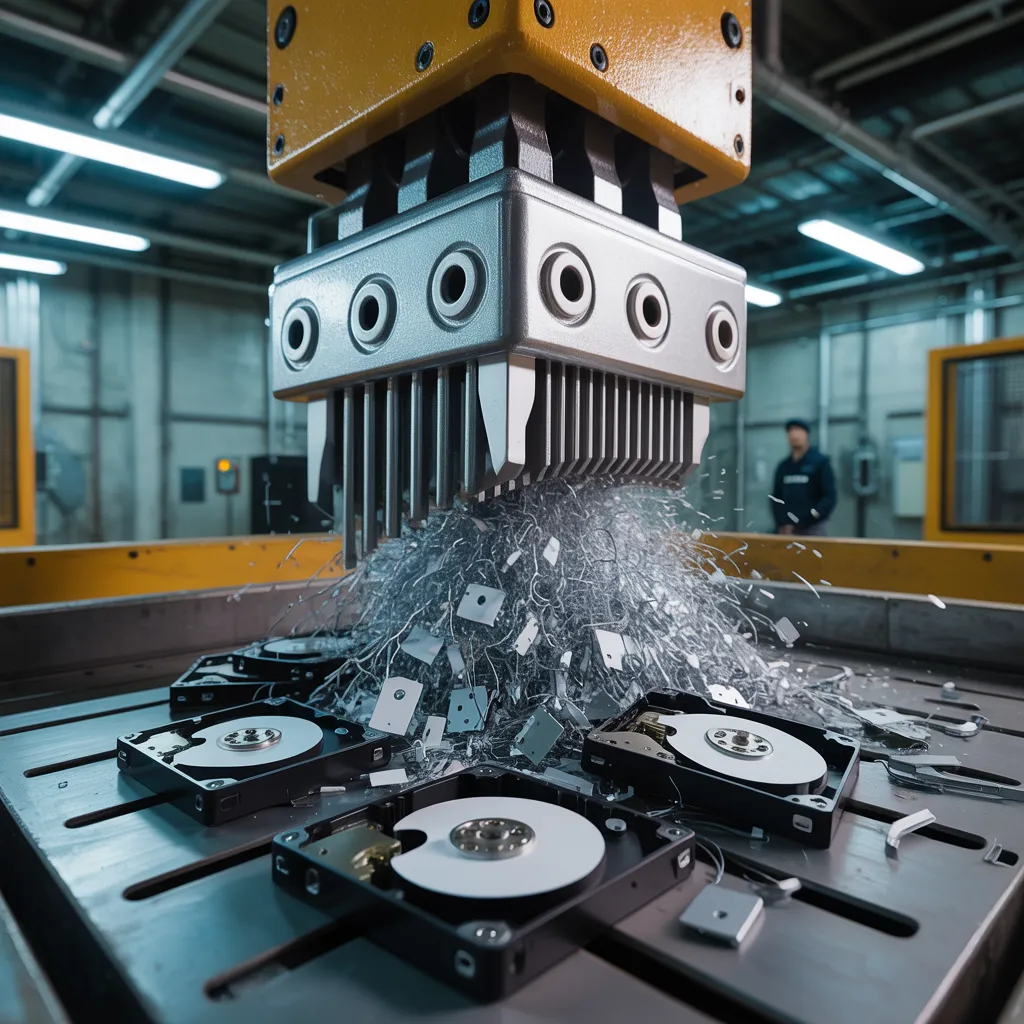
In the modern digital world, the importance of certified data destruction methods is paramount. Companies must ensure that sensitive information is permanently eliminated during e-waste disposal to protect against unauthorized data access. Approved methods encompass physical destruction, such as mechanically destroying hard drives, and logical destruction, which involves wiping data using specialized software that adheres to established benchmarks.
Accreditation from recognized organizations, such as NAID (National Association for Information Destruction), confirms that a service complies with strict standards for protected data elimination. Organizations should ensure that their selected data recycling partner employs these accredited practices to secure client and confidential information. Investing in certified data destruction not only protects against possible data violations but also enhances a business's standing in accountable information governance.
Regulatory Compliance
Regulatory compliance plays a fundamental role in electronic waste disposal, particularly when it comes to data security. Businesses must guarantee that their selected recycling provider complies with local, national, and international laws related to data protection. Standards like the General Data Protection Regulation (GDPR) and the Health Insurance Portability and Accountability Act (HIPAA) mandate stringent measures for protecting confidential data during the disposal process. Companies should verify that the recycling partner implements approved data elimination techniques, guaranteeing that all data is permanently eliminated. Furthermore, a reliable recycling partner should provide documentation of compliance and destruction processes, offering transparency and peace of mind. By placing regulatory compliance at the forefront, companies can reduce the likelihood of data breach incidents and maintain their commitment to data security.
Local vs. National E-Waste Providers: Which Has Better Environmental Practices?
How do local and national e-waste providers stack up when it comes to environmental practices? Local providers often emphasize community engagement and may implement tailored solutions that address specific regional needs. Their reduced operational scale may allow for more direct supervision of recycling procedures, potentially leading to greater accountability and environmental integrity.
Conversely, nationwide providers are often able to leverage large-scale efficiencies, facilitating advanced technologies and wider resource networks. That said, their larger scope may contribute to reduced personalized attention and a disconnect from regional environmental issues. Companies should investigate every provider's credentials and methods, regardless of size. In the end, the effectiveness of environmental practices is determined by the provider's adherence to sustainable approaches and not merely their geographic scope. Consequently, organizations should consider both local and national alternatives to find which best matches their sustainability goals.
Examining Green Practices in E-Waste Recycling
When evaluating sustainable practices in e-waste management, several key factors emerge. Certifications and compliance with established standards are essential measures of a recycling provider's dedication to environmental responsibility. Furthermore, transparency in the recycling process and eco-conscious material management practices are instrumental in shaping the broader environmental consequences of the service.
Certifications and Compliance Standards
When choosing an e-waste recycling service, understanding certifications and compliance standards is essential for guaranteeing environmentally responsible practices. Well-established recycling businesses commonly maintain certifications such as R2 (Responsible Recycling) or e-Stewards, which indicate adherence to best practices in e-waste management. These certifications ensure that recyclers manage materials responsibly, avoid environmental contamination, and protect data security. Following local and international regulations further supports a company's commitment to sustainable practices. Companies should also ask about the recycler's approach to hazardous materials and their methods for tracking and reporting e-waste. By focusing on certified providers, companies can support a circular economy while minimizing their environmental impact and guaranteeing compliance with industry regulations.
Recycling Process Transparency
What measures can be taken to guarantee transparency throughout the e-waste recycling process? Businesses should look for detailed documentation outlining the recycling methods employed by the service provider. This encompasses precise descriptions of the handling, disassembly, and processing phases. Businesses can additionally inquire about the final destinations of recycled materials, confirming they are not directed to landfills or unlawful facilities. Third-party audits and certifications can further validate a recycling service's commitment to eco-friendly practices. Furthermore, maintaining open channels of communication with the service provider is vital; they should be prepared to disclose their procedures and address any inquiries. In the end, transparency builds confidence and assures companies that their e-waste is being handled in a responsible and sustainable manner.
Sustainable Material Handling Practices
Examining eco-friendly operational methods in e-waste recycling highlights the fundamental values of responsible environmental stewardship. Reliable e-waste recycling services focus on limited environmental harm through strategies like resource recovery, waste minimization, and responsible disposal techniques. They implement effective categorization processes that separate dangerous substances from recoverable materials, guaranteeing that dangerous compounds are kept away from natural habitats. Adopting green logistics solutions further promotes environmental commitment by lowering greenhouse gas emissions. Additionally, these services often engage in community education, spreading knowledge about proper electronic waste management. By selecting a recycling organization that follows these sustainable practices, businesses contribute to a resource-efficient economic model, guaranteeing that valuable resources are recovered instead of discarded in waste sites, thereby fostering a healthier planet.
How to Manage Your Budget for E-Waste Recycling Services
When evaluating e-waste recycling services, planning your budget carefully is essential for ensuring proper disposal without unexpected costs. Organizations should commence by examining the volume and type of e-waste generated, since these elements significantly impact costs. It is beneficial to collect numerous bids from various recycling companies to assess fees and offerings provided.
Alongside the basic charges, organizations should consider potential hidden costs such as transportation, collection, and any required documentation for compliance. Familiarizing yourself with the regulatory framework is equally essential, as non-compliance can lead to fines, contributing to total expenditure.
Additionally, companies may explore bulk pricing options or subscription models that can decrease long-term costs. By designating a defined budget for electronic waste recycling, companies can promote sustainable practices while limiting unexpected costs, effectively supporting both ecological responsibility and financial stability.
Common Questions and Answers
How Regularly Should We Be Recycling Our E-Waste?
E-waste ought to be recycled on a consistent basis, optimally within a six-month to one-year interval, based on the amount of waste produced. This schedule ensures adherence to regulatory requirements and limits potential harm to the environment by fostering conscientious disposal procedures throughout the organization.
What Occurs with E-Waste Following Collection?
Once collected, e-waste goes through sorting, dismantling, and processing. Valuable materials are extracted for reuse, while harmful elements are carefully handled and eliminated. This approach reduces environmental harm and encourages resource reclamation, advancing sustainable methods in electronics management.
Is There a Fee for E-Waste Recycling Services?
Indeed, e-waste recycling frequently includes costs, which can differ based on factors like the type and volume of electronics. Companies should inquire about these charges upfront to understand associated fees before deciding on a service.
Are Non-Electronic Items Accepted for Recycling With E-Waste?
Non-electronic materials generally cannot be processed through e-waste services. Most recycling centers specialize exclusively in electronic equipment. Businesses are encouraged to seek specialized disposal options for non-electronic items to secure appropriate disposal and environmental compliance.
How Do We Prepare E-Waste for Recycling?
To prepare e-waste for recycling, it is important to detach batteries and accessories, carefully delete personal data, and sort items by type. Adequate packaging in durable boxes provides secure delivery to the recycling facility.